“I Can’t Compete With Your Tutor”: What Your Young Athlete Is Telling You
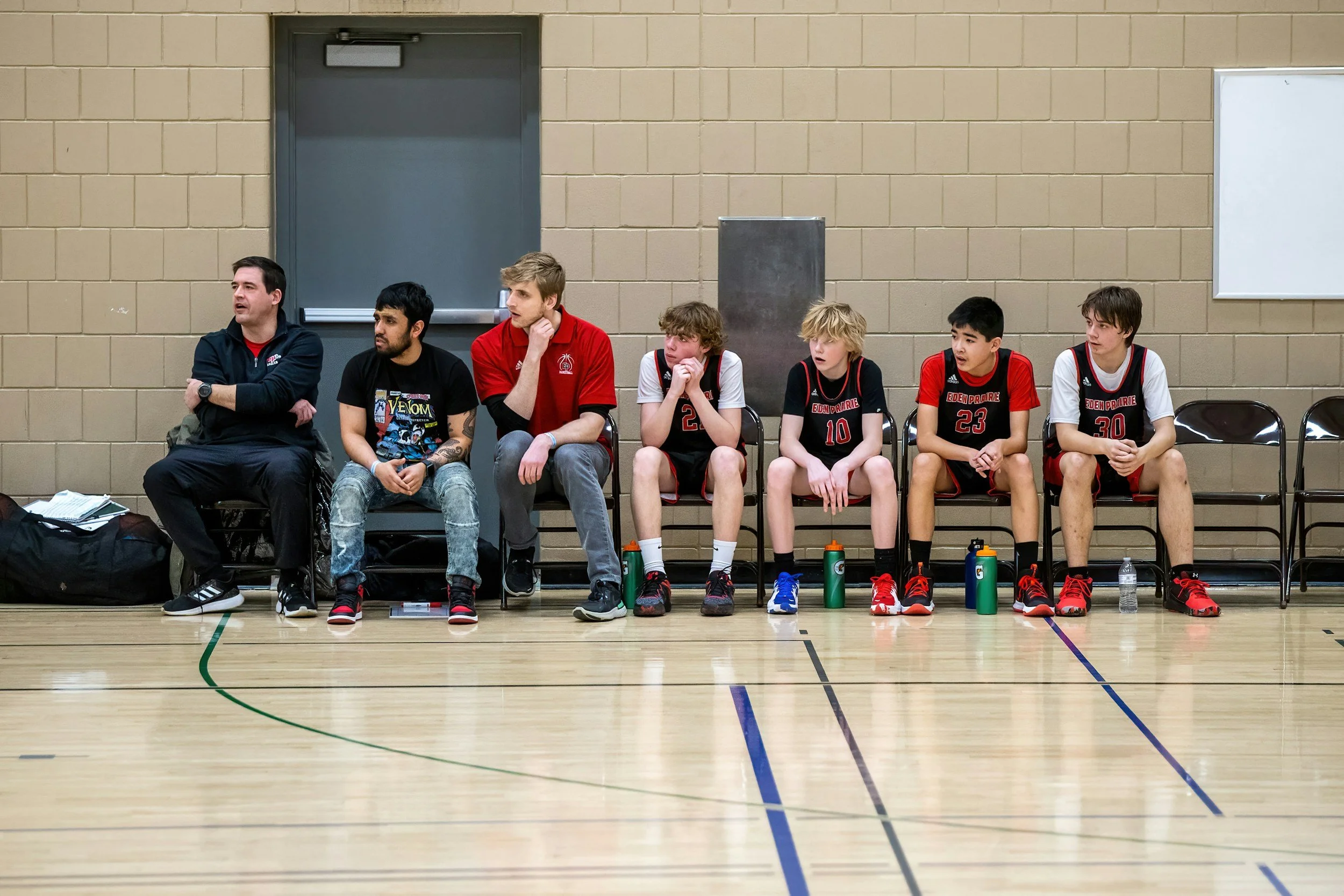
A young athlete once told me. “I can compete with you, but I can’t compete with your tutor.” Kids notice more than we think about who has what. Here’s what they’re really telling you, and how to respond in a way that helps.
Kids say things that stop me in my tracks. Here’s one I keep thinking about.
A young athlete was talking to me about a teammate. “I can compete with you,” the child said. “But I can’t compete with your tutor.”
The Gap Kids Are Measuring
Ask most parents what their child is competing against, and they’ll say the other kids. Skill against skill, effort against effort. That’s the story we tell about youth sports: work hard and you can close the gap.
But kids notice more than we think. They see who has a private coach, who plays on the travel team, who has tutors so homework never gets in the way of practice. It’s like lining up for a race and realizing some kids got a head start before the whistle blew.
When a child starts to believe the gap is about resources instead of effort, trying hard can start to feel pointless. That’s a heavy thing to carry onto a field or a court.
It Goes Both Ways
Kids with every resource feel this too, just from the other side. When a family invests in private coaching, travel teams, and tutors, a child can start to feel they have to prove it was worth it. Every game becomes a test of whether they’re living up to the investment.
Either way, kids can absorb the same message: what’s around them matters more than what’s inside of them. As parents, we want them to believe the opposite.
What Kids Are Telling You
Kids rarely say, “I feel outmatched by things I can’t control.” They say something small, in the car or at dinner, that’s easy to smile at and move past. But those offhand comments are often the clearest look you’ll get at what’s going on inside. “I can’t compete with your tutuor” sounds like it’s about tutors. What it’s about is fairness, where they stand, and whether their effort counts.
What You Can Do
You don’t have to solve inequity to respond well. Here’s what helps:
Don’t rush to fix it or brush it off. Our instinct is to solve the problem (“Maybe we can get you a tutor too”) or reassure (“You don’t need one, you’re great”). Both can end the conversation before your child has finished telling you what’s on their mind. Ask what made them think of it, and let them keep talking.
Talk about effort, and keep talking about it. Kids need to hear, more than once, that what they control matters most: how they prepare, how they treat teammates, how they bounce back. One conversation won’t do it, because they’re hearing the opposite message from a lot of places.
Listen for the bigger theme. Comments about fairness, not measuring up, or what other families have are often a child trying to figure out their own worth. The exact words matter less than the feeling behind them.
Watch how you talk about resources. Kids pick up on how adults discuss tutors, private coaches, and extra training. If those conversations sound anxious or competitive, kids absorb that, even when nobody’s talking to them.
The Bottom Line
The child who said they couldn’t compete with a tutor wasn’t asking for a tutor. They were trying to make sense of a world that suddenly felt less fair than they thought. We can’t make the world fair for our kis. But we can make sure they don’t have to figure it out alone.
Details in this post have been changed to protect privacy.
About OAZ
At Optimal Athletic Zone, we believe that connecting mental wellness with peak performance strategies helps raise, happy, healthy, resilient kids, while also helping them perform their best on the field.
I’m Sue Sugarman, LCSW, BCD, a therapist, athlete a sports mom. I hold the International Olympic Committee’s Certificate in Mental Health of Elite Athletes and teach at NYU Silver School of Social Work. I founded OAZ to support youth athletes on and off the field. Together with Becca Klapper, EdM, MA, CMPC, we help kids build kids confidence, handle pressure and enjoy their sport, while become heathy, happy, resilient people along the way.
